Older Austin homes bring one more consideration: if it was built before 1978 the
EPA renovation and painting rules are worth knowing about before anything is sanded.
What Counts as Interior Repair Here
Interior work covers more than drywall, and grouping it into one visit is usually cheaper than booking each item separately across Austin.
What is on the list?
Six categories cover the interior side.
- Drywall: patching, installation and wall repair, from doorknob dents to full sheets.
- Walls: removal and building, when a room needs to change shape rather than be patched.
- Texture: ceiling and wall texture spraying, matched to what is already there.
- Tile: repair and installation, including the cracked ones nobody wants to touch.
- Brick repair: interior brickwork brought back rather than covered up.
- Hanging: pictures and mirrors put up properly, into something that will hold them.
Anyone searching for a handyman near me for drywall should ask whether texture and paint are included, because a bare patch is only half a repair.
Painting and Finishing
Paint is the last step and the one everybody sees, so it is worth treating as part of the repair rather than a separate decision.
What does finishing include?
Six finishing items complete an interior job.
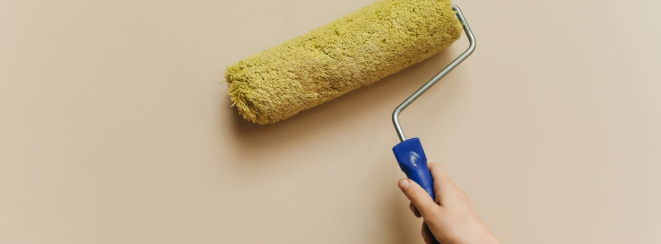
- Room painting: walls taken corner to corner so nothing reads as a patch.
- Touch-ups: on rooms and molding, where a full repaint is not warranted.
- Molding installation: baseboards, casings and trim that give a room a finished edge.
- Priming: over fresh compound, so the patch does not flash through the topcoat.
- Sheen matching: picking the finish that matches the rest of the room, not just the color.
- Cleanup: dust contained and the room left usable, which on a sanding job matters a lot.
Our
handyman services set out the full list, and the
project gallery shows how the finished work looks across Austin and the surrounding towns.
Book Interior Repairs in Austin
Send a photo of the damage and a wider shot of the wall it sits in. The second photo is the one that tells us about texture, sheen and whether the whole wall needs painting.
The Fix It Man Repairs, serving Cedar Park, Austin, Round Rock, Pflugerville, Leander and West Lake Hills, Texas. Call Mark on (737) 888-1551 or email mark@thefixitmanrepairs.com, and the
Request a Repair form reaches us any time.
Call Mark on (737) 888-1551 to book interior repairs in Austin.
Several rooms on the list? Start with our
handyman services.
Quick Summary
Interior repairs are judged on the finish rather than the patch. A repair shows when the texture is not matched, the compound is not feathered wide enough, the paint sheen differs, the existing color has faded, the sanding leaves a halo or the fresh compound was not primed. Orange peel and knockdown can both be sprayed to match with a test board and the right tip, smooth walls are the hardest to hide, and ceiling texture is usually better done across the whole plane. Painting a wall corner to corner is normally the right call rather than touching up the middle. The Fix It Man Repairs handles drywall patching and installation, wall repair, removal and building, ceiling and wall texture spraying, tile repair and installation, brick repair, picture and mirror hanging, room painting, touch-ups on rooms and molding, and molding installation. Older Austin homes built before 1978 bring lead-safe renovation rules worth knowing about.
Key Takeaways
- A patch is judged by whether you can still see it, not by how strong it is.
- Texture matching is the step most drywall repairs skip and most people notice.
- Paint sheen shows a repair even when the color is exactly right.
- Paint corner to corner, because a touch-up mid-wall reads as a patch.
- Fresh compound needs priming or it flashes dull through the topcoat.
- Knockdown texture is about timing the knock-back, not about the spray.
- Homes built before 1978 bring lead-safe rules into any sanding job.
Frequently Asked Questions